

CLIMATE & ENVIRONMENT DIALOGUE
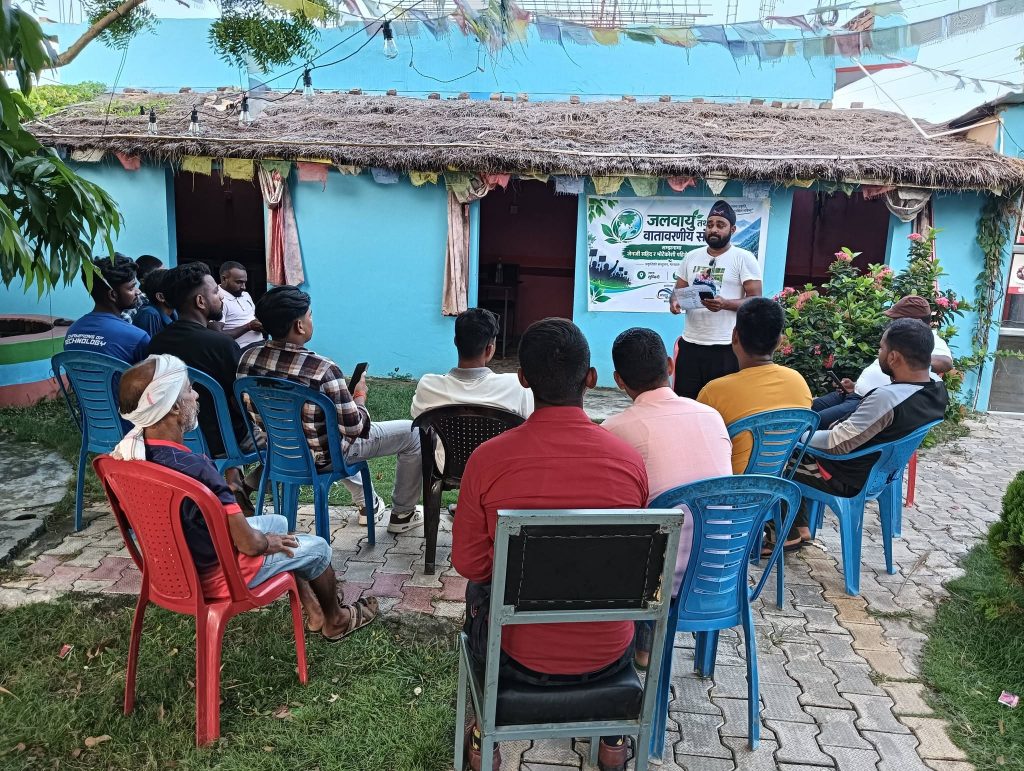
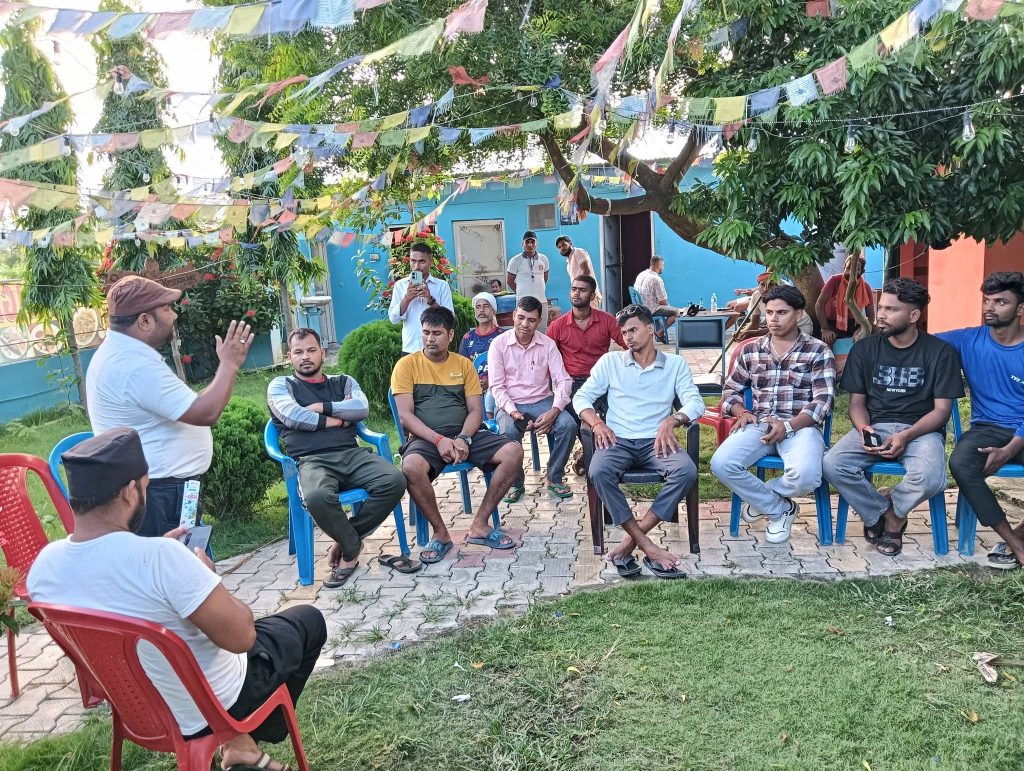
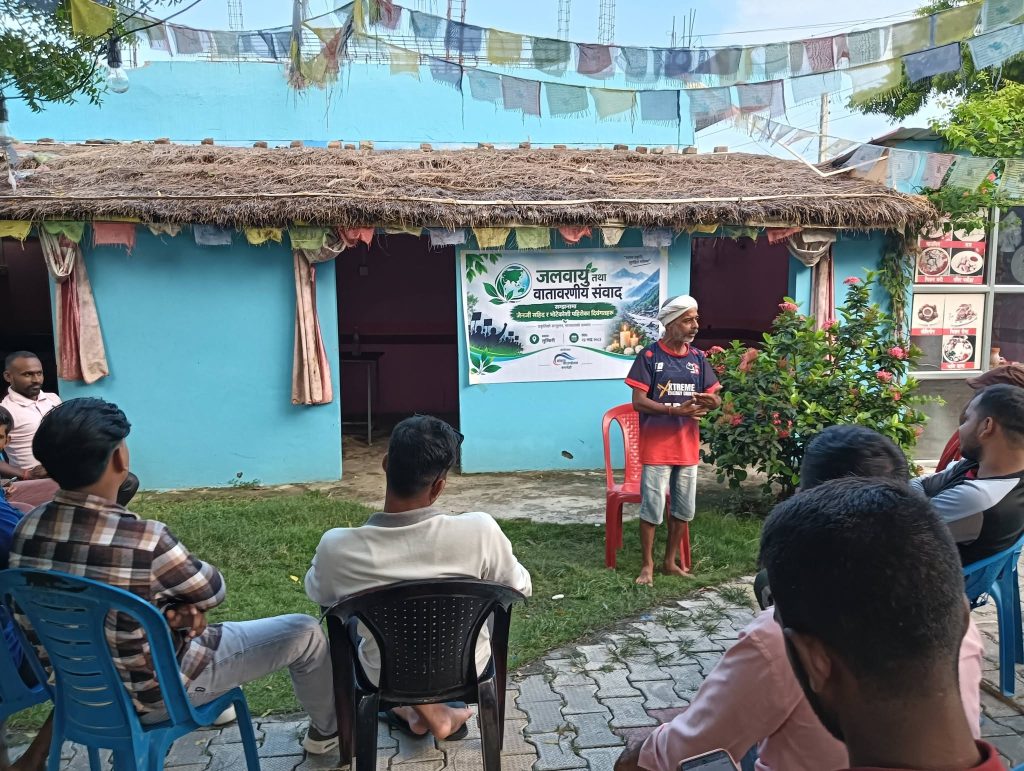
Sambad Foundation Rupandehi organized a Climate & Environment Dialogue in Lumbini to bring together Foundation members and local participants for meaningful discussion on pressing environmental and climate-related issues.
The dialogue provided a platform to reflect on the growing challenges associated with climate change, environmental degradation, and climate-induced disasters. Participants discussed the increasing frequency and impact of disasters and the need for stronger community awareness, environmental protection, and climate resilience.
A significant part of the discussion focused on the recent floods and landslides in Rasuwa, which resulted in loss of lives and widespread impacts on affected communities. The disaster served as an important reminder of the vulnerability of communities to climate and environmental hazards.
2. Objectives
The major objectives of the Climate & Environment Dialogue were to:
- Raise awareness about climate and environmental challenges.
- Promote discussion on the growing impacts of natural and climate-related disasters.
- Encourage community participation in environmental protection.
- Highlight the importance of climate resilience and disaster preparedness.
- Create space for participants to share perspectives and experiences regarding environmental challenges.
- Promote a collective commitment toward a safer and more sustainable future.
- Reflect on the human consequences of environmental and disaster-related crises.
3. Major Discussion Areas
The dialogue focused on several interconnected environmental and social issues, including:
Climate and Environmental Challenges
Participants discussed the challenges posed by climate change and environmental degradation and their implications for communities, ecosystems, and future generations.
Increasing Disaster Impacts
The discussion highlighted the growing concern over floods, landslides, and other disasters and their consequences for communities and infrastructure.
The recent floods and landslides in Rasuwa were discussed as a significant example of the devastating consequences of disasters, particularly for vulnerable communities.
Climate Resilience
Participants emphasized the need to strengthen the ability of communities to prepare for, respond to, and recover from climate and disaster-related risks.
Environmental Protection
The programme reinforced the importance of protecting natural resources and maintaining a healthy environment as part of efforts to reduce environmental risks and build sustainable communities.
4. Tribute and Condolences
The programme also included a moment of remembrance for those who lost their lives in the recent floods and landslides in Rasuwa.
Participants expressed their deep condolences to the bereaved families and paid tribute to the victims. Candles and traditional lamps were lit in their memory as a symbolic expression of respect and solidarity.
Participants also paid tribute to the Gen-Z martyrs, remembering those who lost their lives and recognizing the human cost associated with recent events.
The remembrance segment added a humanitarian dimension to the programme, emphasizing the importance of human dignity, compassion, and solidarity alongside environmental discussions.
5. Key Outcomes
The Climate & Environment Dialogue contributed to:
- Increased discussion and awareness of climate and environmental challenges.
- Greater attention to the impacts of floods, landslides, and other disasters.
- Recognition of the need for stronger climate resilience at the community level.
- Reinforcement of the importance of environmental protection and sustainable practices.
- A shared expression of solidarity with communities affected by disasters.
- Collective remembrance of those who lost their lives in the Rasuwa disasters and the Gen-Z movement.
- Encouragement for continued dialogue and community engagement on environmental issues.
6. Significance of the Programme
The dialogue demonstrated the importance of connecting environmental concerns with human experiences and community realities. Climate change and environmental degradation are not only ecological issues; they can also affect livelihoods, infrastructure, safety, and human dignity.
By bringing Foundation members and local participants together, the programme created an opportunity to discuss these challenges from a community perspective and emphasized the importance of collective responsibility.
The remembrance of disaster victims further highlighted that climate resilience must ultimately be centered on protecting human lives, dignity, and communities.
7. Conclusion
The Climate & Environment Dialogue organized by Sambad Foundation Rupandehi in Lumbini provided a meaningful platform for discussing climate change, environmental protection, disaster impacts, and community resilience.
The programme also offered an opportunity to remember and pay tribute to those who lost their lives in the recent Rasuwa floods and landslides, as well as the Gen-Z martyrs, through candle and lamp lighting.
The programme concluded with a renewed emphasis on environmental responsibility, climate resilience, human dignity, and collective efforts toward a safer and sustainable future.